

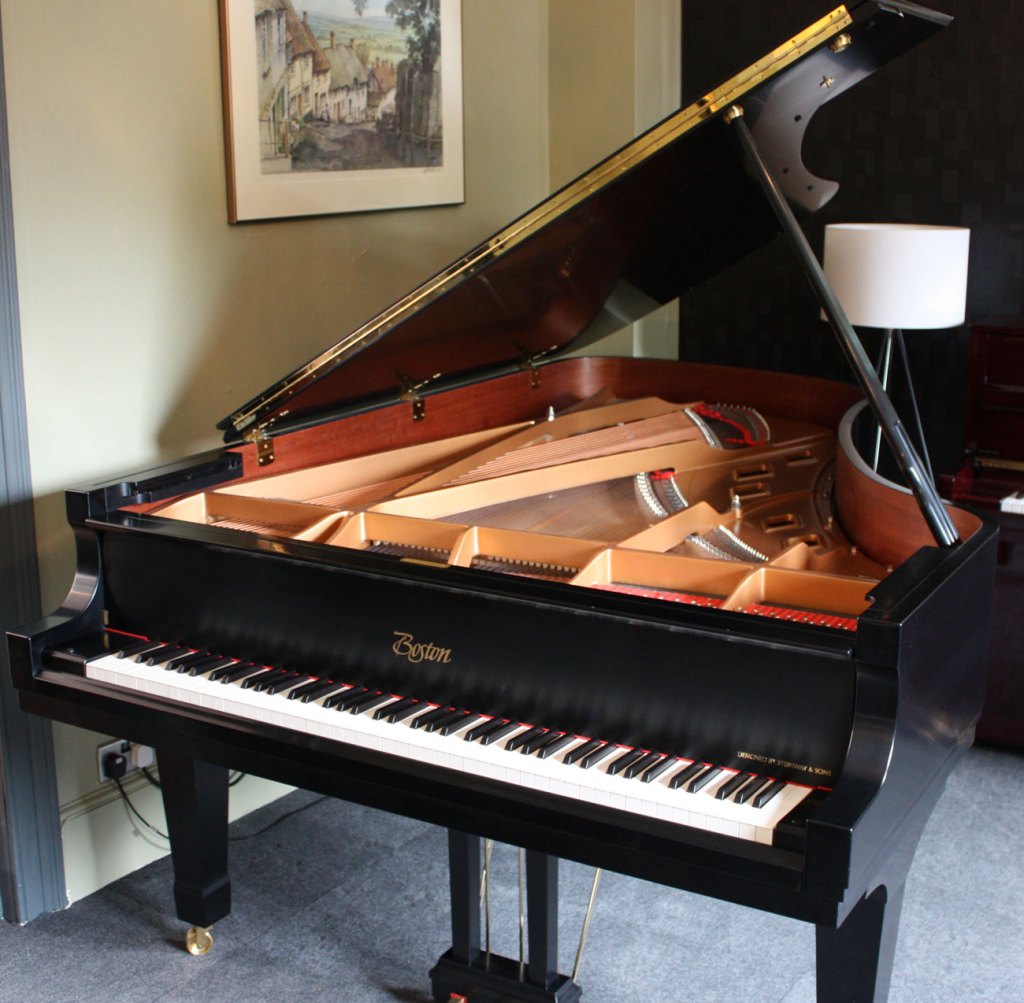
The acoustic piano is a stringed instrument
Text excerpts and images from Lindeblad Piano Restoration, Blog.
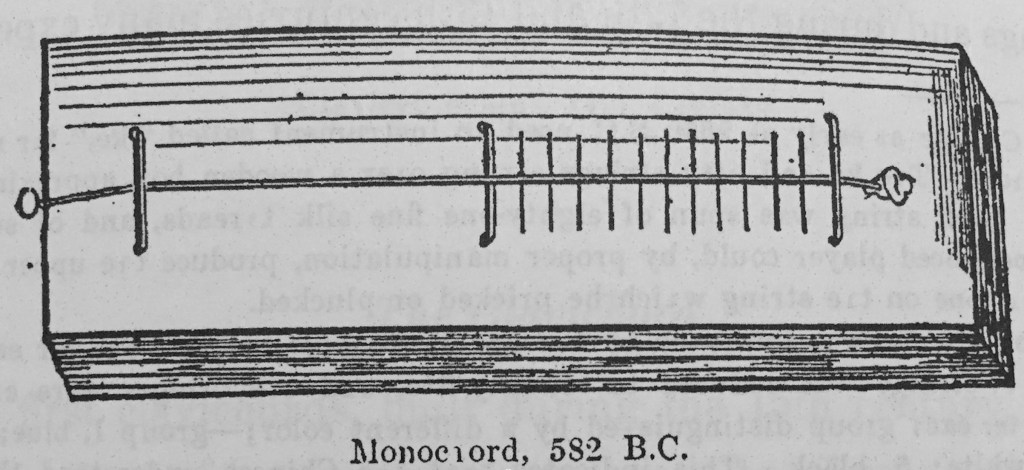
- The piano as we know it today began in China in 2650 BC with the stringed instrument called the “Ke.”
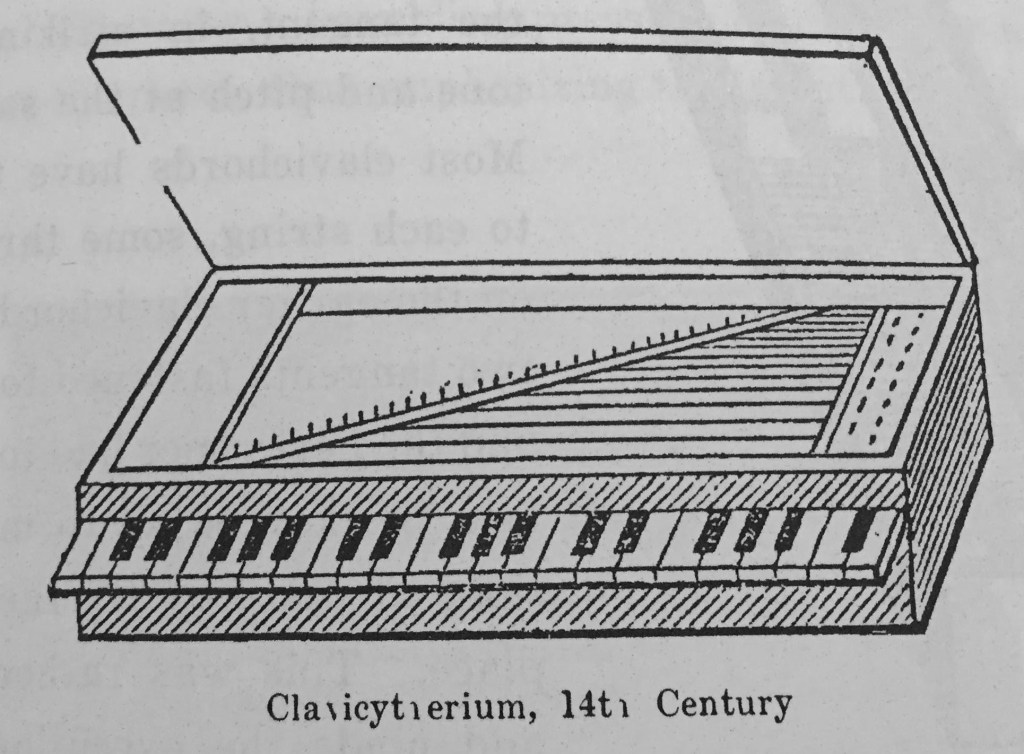
- The introduction of a keyboard to pluck the strings also regulated the pitch.
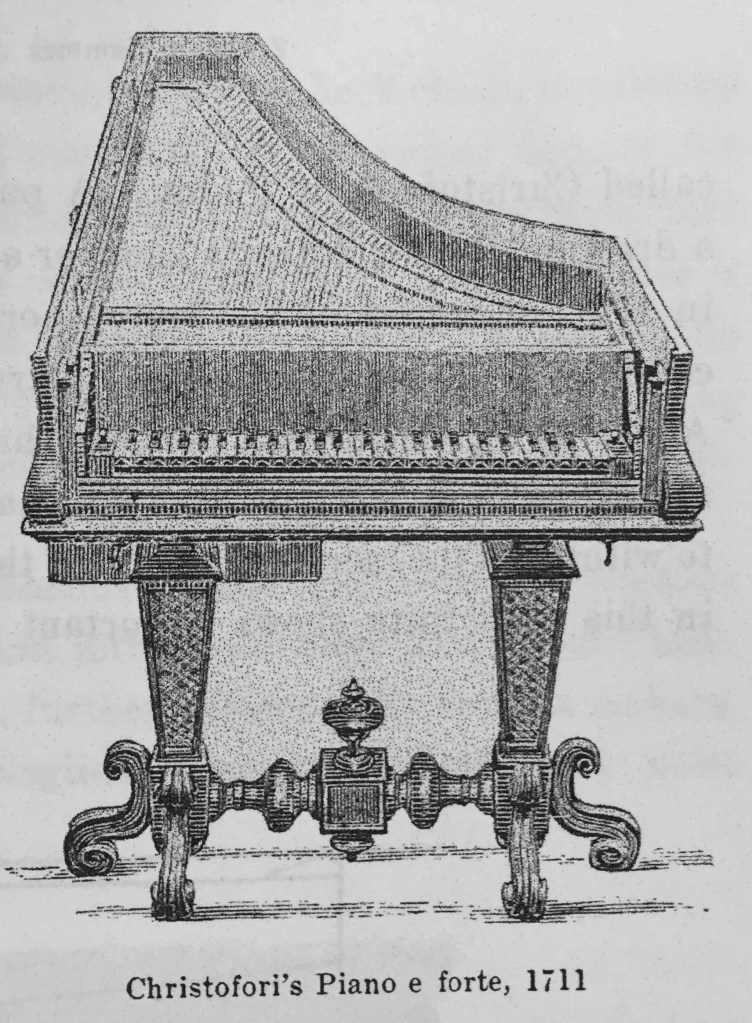
- Replacing the levers used to pluck the strings with felt hammers, also activated by a keyboard, resulted in the modern day pianoforte.
Plucking v. Hammering
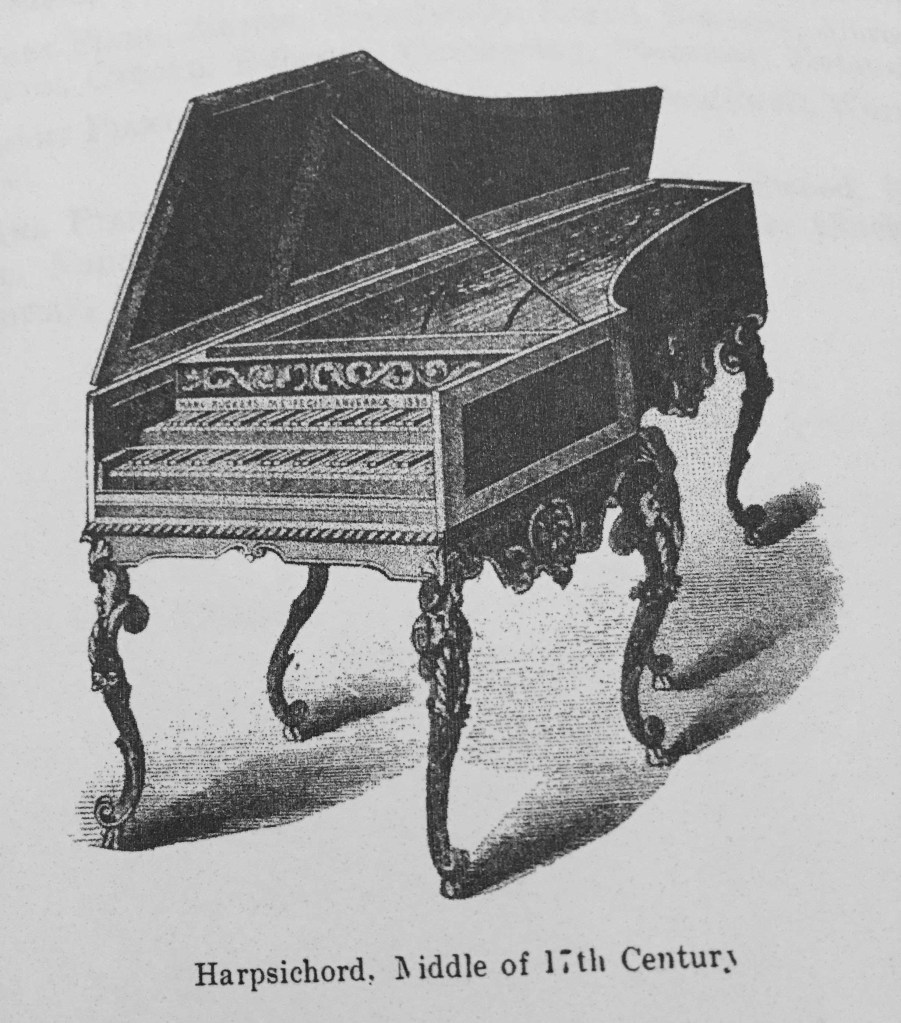
- The earliest stringed instruments, predecessors of the modern piano, were plucked either directly/manually or indirectly/through a keyboard with levers.
- Here is the brief history of the harpsichord, a predecessor to the modern day piano, first developed throughout Europe in the late middle ages. Plucking on the harpsichord is accomplished indirectly through a keyboard and levers. The article also provides schematic diagrams to demonstrate its function.
- Bartolomeo Cristofori (1655-1731) is credited with designing the first modern pianoforte with a system of felted hammers using a lever mechanism that strike the strings rather than pluck. The result is a brighter sound and control over volume compared with plucking; hence the term piano-forte (soft-loud).
- CLICK HERE to watch a youtube on the “Fascinating World Inside of a Piano” by Nahre Sol and Damon Groves. During the first 3 minutes, you will learn the basics of piano levers, the primary mechanism that makes the piano function. There are 3 levers – Damon Groves mentions the three levers after he runs through an exhaustive list of all the parts. (You can exit the rather lengthy youtube after the first 3 minutes.) Existing students: Tell me the names of the 3 levers at your next lesson and you will receive one free lesson!
 donnellymusicstudio.com
You must be logged in to post a comment.