This year the studio will provide free access to a music theory software program called Musition. Access to the software program begins on October 18th 2021 and continues through the end of September 2022. It is something new in the studio! Student feedback will be most welcome.
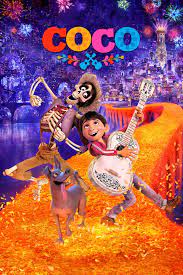
Watch a family film called “COCO” (2017) that tells the story of the Day of the Dead, Día de los Muertos, through a fictionalized account with lovely animation and enjoyable music.
Why write when you can sing, dance, and create music? And why write as often as possible when you can be outside playing soccer or even indoors practicing piano? Fair questions deserve reasonable answers! Read on.
As musicians, we are constantly investigating new sounds, new techniques, and new expressions. We listen to and create an audial world that invokes inspiration. Writing, like music, is another highly introspective way to investigate the world, one that is filled with ‘aha’ moments and more. So, let’s go there for a moment and see what it has in store for young musicians.
The type of writing that I am speaking about is called journaling, and it does not require that you write in any particular way, just that you write often, write authentically, and write about something that interests you – music! (and other things, too). You can add a few sketches, paintings, doodles, and photos to your journal in order to highlight and inform your entries.
Engaging in multiple art forms allows you to hear, see, think, and create in new ways. Drawing, for example, can open a person up to new ways of writing. Painting can sometimes help an athlete overcome an inhibition and advance in their game. In essence, art demands that we open our minds through our senses, something we do respectful of our minds and bodies. In this way, art helps us grow as artists and as people. So let’s get started.
How to Begin
I recommend you begin journaling using an enhanced “Dear Diary” / Journal format. What’s the difference between a diary and a journal? In brief, a journal is topic-oriented whereas a diary is temporal. My writing prompts below will help us sort this out and allow you to begin today!
First, you will need one pencil, one eraser, and either a sketch book or a diary.
Second, write your name on the inside cover of the journal (in case you lose it). You can minimize the likelihood of losing it if you keep it in your room at home, but in case you want to take it to the park, for example, to write, then make sure you have contact information next to your name. DO NOT INCLUDE YOUR ADDRESS – ONLY PHONE AND/OR EMAIL. Sorry to ‘shout’ in all caps, but we do have to be careful about our personal information.
You are now ready to begin your first (or next) journal.
Journal Writing Prompts
Elementary School
Start with a “Dear Diary” entry in which you list one or two interesting things that happened during the day. Plan to write a “Dear Diary” entry once a week. After you write your “Dear Diary” entry, then write a journal entry that pertains to music. You might use the following prompt for your journal entry: Write a sentence or two that describes your weekly piano study. Describe what you have learned and what you like best.
Middle School
Start with your “Dear Diary” entry in which you list three interesting things that happened today. Plan to write a “Dear Diary” entry as often as you like, but at least once a week. After each “Dear Diary” entry, then write a journal entry that pertains to music. You might use the following prompt for your journal entry: Write a paragraph that describes your weekly piano study, your practices, and 2 things you like best and 1 thing you like least about your overall piano study so far.
High School
Start with your “Dear Diary” entry in which you write about three interesting things that happened to day and elaborate on at least one. Write as often as you like, but at least once a week. After each “Dear Diary” entry, then write a journal entry that pertains to music. You might use the following prompt for your journal entry: Write a paragraph that describes your weekly piano study, your practices, and your goals. Reflect on whether you are meeting your goals. Are there obstacles? If so name them.
NEXT
Once you try the above writing prompts for a few weeks or months, come up with your own writing prompts, which can be fun! Make sure that you continue to describe, assess, evaluate your progress in music through journaling. And try out a few mixed-media doodles, etc., too. Try a sketchbook, a graphed or dotted journal, and different kinds of paper as you expand your journals over the years.
Once you get started, you can continue journaling throughout college, the workplace and beyond!
All photos used in this post are stock photos found on Pexels.com
The student recital is an opportunity to display mastery of one or more pieces studied during the year, show technical expertise by performing a scale or etude, and listen to studio colleagues perform in-person or via ZOOM. Beyond the studio recital students may consider either an individual recital, jury, or an audition, depending on the student’s goals. Competitions are also possible with other studios at the local, regional, and national level.
To prepare for an individual recital or jury we focus on mastering one piece from each of the main four musical periods: Medieval through Baroque, Classical, Romantic, and Modern through 21st century. An individual recital, in comparison to the studio recital, features one student and is performed at a suitable public venue. As a public performance it may be recorded depending on the interests of the student and teacher. A jury, which grades or ranks the student’s performance, may either be held in-studio or at another suitable location though generally is not public, and the audition rules and repertoire are set according to the program application. To prepare for a competition requires a high level of music mastery and can easily follow a studio jury or individual recital. Competitions have rules set by outside organizations such as the MTNA, of which I am a member.
Mastery means that a student has acquired new and rigorous techniques, an understanding of the underlying music theory, knowledge of period performance styles and expectations, applied personal expression to the interpretation, utilized appropriate improvisation (in some cases), and perhaps most importantly, has the ability to perform so that the audience may enjoy the music. Each student puts forward their best effort for the benefit of the audience and to achieve personal goals in music performance.
After the hours of work a student puts in to achieve mastery, the recital is also a time to have a little fun creating and listening to lovely music!
Track Listing-Title/Composer/Performer –> CLICK HERE for samples <–
1 Ready for a Miracle / Bunny Hull / Art Reynolds / LeAnn Rimes 2 One Love / Bob Marley / Jo Dee Messina 3 Have You Ever Seen the Rain / John Fogerty / John Fogerty 4 Walk on Water / Vicky McGehee / Bobby Pinson / Trent Tomlinson/ Blue County 5 Spirit in the Sky / Norman Greenbaum / MIKESCHAIR / Plumb 6 The Power of One / Brian Nash / Mike Post / Bomshel 7 Be the Miracle / John Debney / David Zippel / Room For Two 8 God Makes Stars Hal Ketchum / Hal Ketchum 9 This Land Is Your Land / Woody Guthrie / The Mike Curb Congregation 10 Never Give Up / Tracy Edmond / Tracy Edmond 11 Revolution / John Lennon / Paul McCartney / Blue County 12 Revolution / John Lennon / Paul McCartney / Stone Temple Pilots 13 Sharp Dressed Man / Frank Beard / Billy Gibbons / Dusty Hill / Jo Dee Messina 14 Sharp Dressed Man / Frank Beard / Billy Gibbons / Dusty Hill / ZZ Top 15 Everybody Dance Now / Freedom Williams / C+C Music Factory 16 Have You Ever Seen the Rain? / John Fogerty / Creedence Clearwater Revival
Watch on April 16th, 7:30 pm, and tell us which are your favorite songs!!
All ages welcome! Bring Goldfish, Animal Crackers, or make your own ramped up animal and insect cupcakes, veggies, dinosaurs, and wild things food stuff! Enjoy the movie and listen closely to the sound track as we watch.
Please bring markers, pencils, pens, and a personal journal or loose leaf paper.
Program
PowerPoint by Patrice Donnelly on the many different ways in which a student can find purpose in music across multiple genres, and learn about the type of discipline that is required for goals that match your purpose.
Purpose and discipline in classical Indian music by Leslie Schneider, Hindustani classical Indian vocalist and tanpura player.
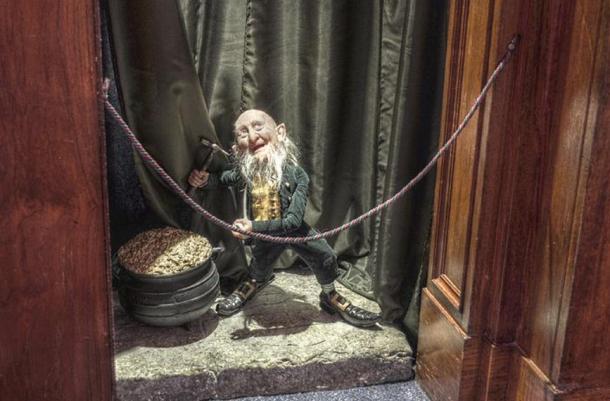
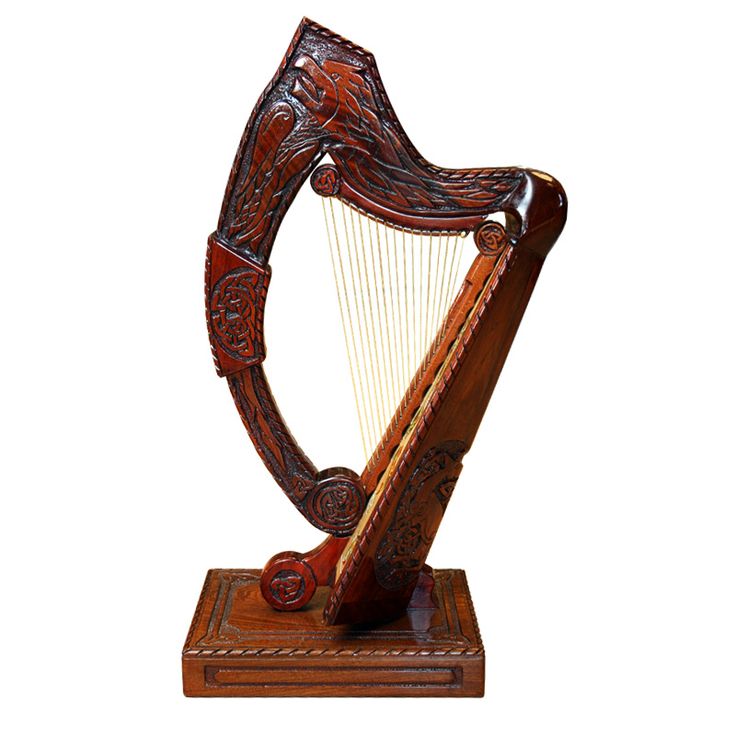
An illustration of a clurichaun, cousin of the leprechauns. (1862) T.C. Croker ( Wikimedia Commons )A wax sculpture from the Dublin National Museum of the Leprechaun found on Mary Ann Bernal blog.A traditional Irish harp. They are made in different sizes from hand held to very large. Image from Anna Flynn on Pinterest.
Irish Music and Myth
Text adapted from YourIrish.com, Ancient-Origens.net, and LiveScience.com. Embedded links.
Students often enjoy learning about the Irish mythology behind the leprechaun, a shoemaker who lives in the deep of the forest and since he is very small and very intelligent, he seeks to avoid being caught by others, preferring to live peacefully, dancing and playing Irish music, and counting his gold. However, if you catch a leprechaun, he can grant you three wishes in order to be released. Be careful what you wish for as a wrong wish can lead to a life of misery.
Leprechauns offer a morality tale figure whose fables warn against the folly of trying to get rich quick, take what’s not rightfully yours or interfere with “The Good Folk” and other magical creatures. Belief in leprechauns and other fairies was once widespread on the Emerald Isle, and real or not they will continue to amuse and delight us for centuries more.
If you’re not ready to give up on the leprechaun, note that one third of the Irish people do believe in the leprechaun.
Here is an animated youtube of An Gréasaí Bróg, a lovely children’s song, popular in traditional Irish music.
Here is a youtube of a musician playing a traditional Celtic harp. The piece is a modern composition called “A Trip to the Islands” written for Celtic harp and played by the composer Nadia Birkenstock.
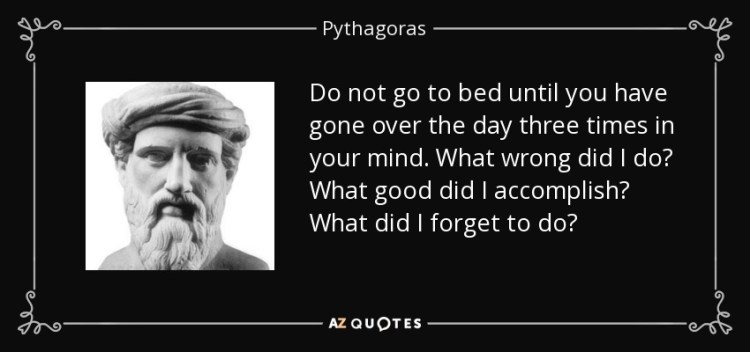
Many evening prayers incorporate this good advice!
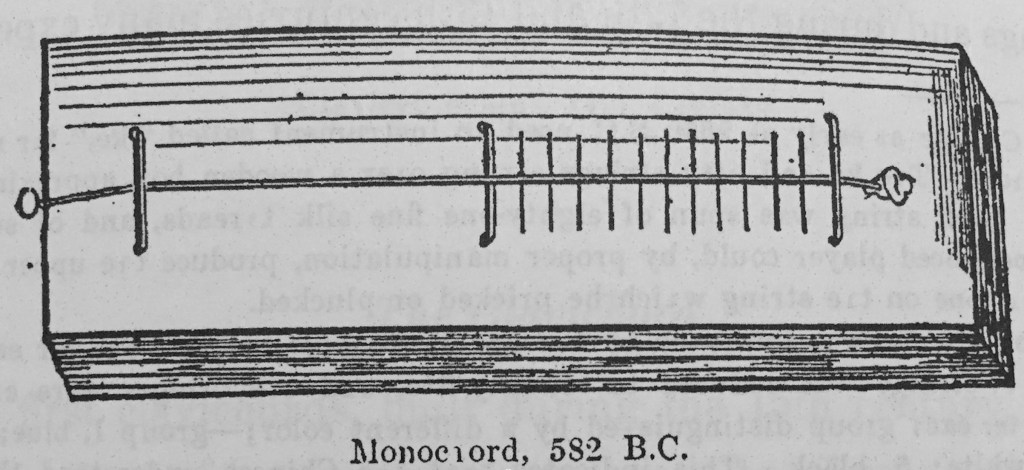
The piano as we know it today began in China in 2650 BC with the stringed instrument called the “Ke.”
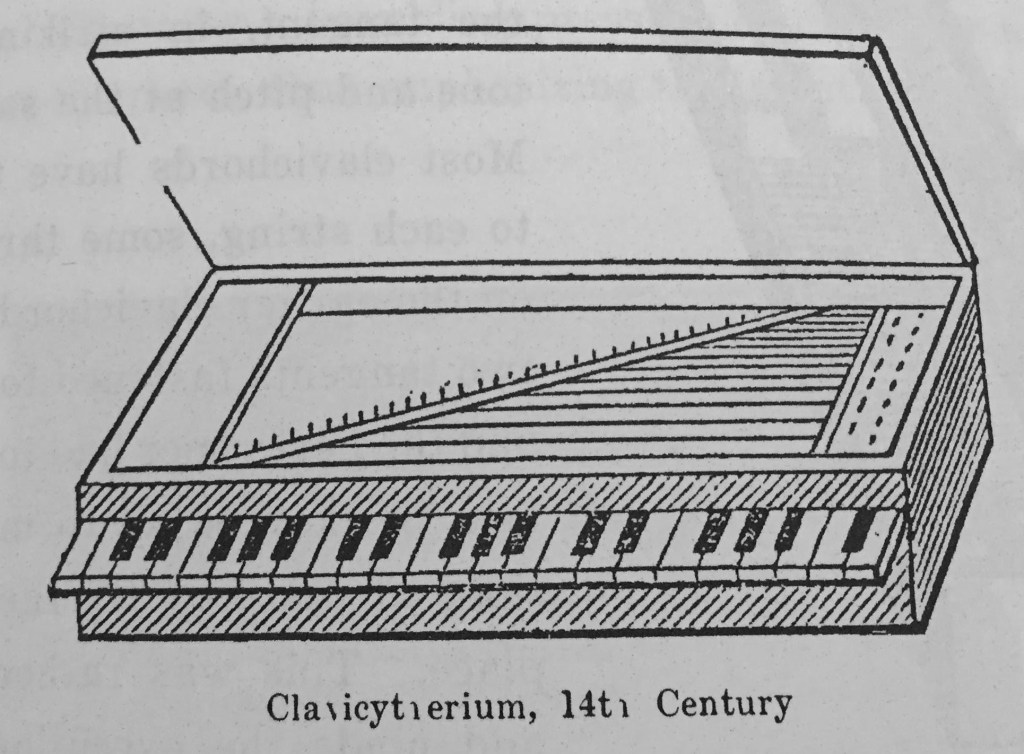
The introduction of a keyboard to pluck the strings also regulated the pitch.
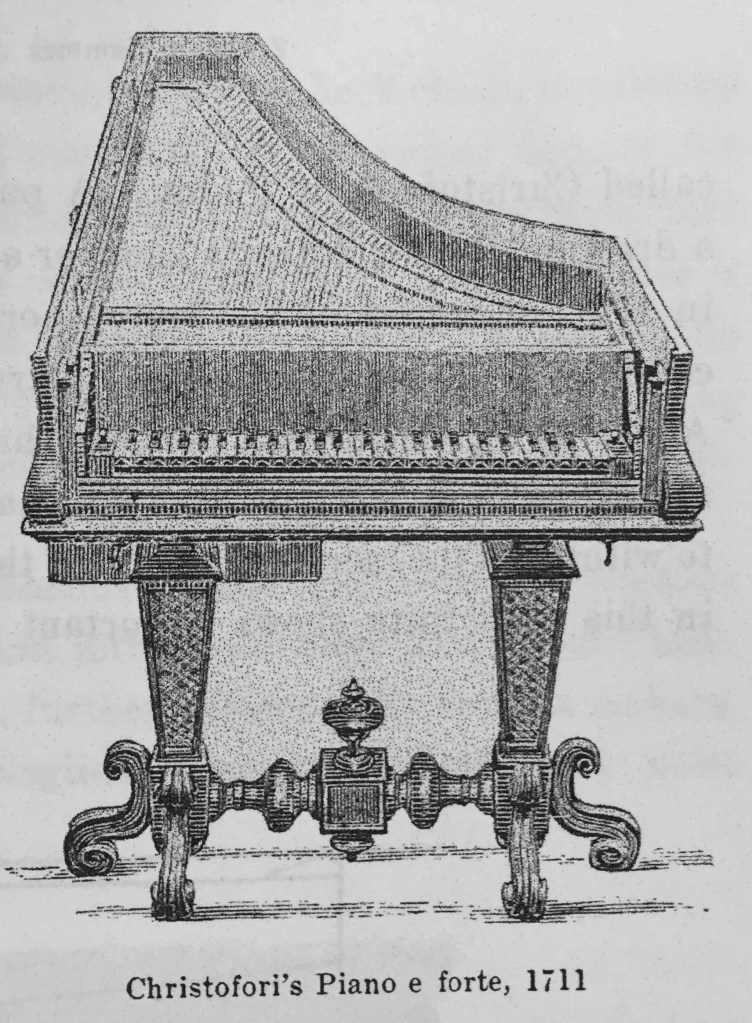
Replacing the levers used to pluck the strings with felt hammers, also activated by a keyboard, resulted in the modern day pianoforte.
Plucking v. Hammering
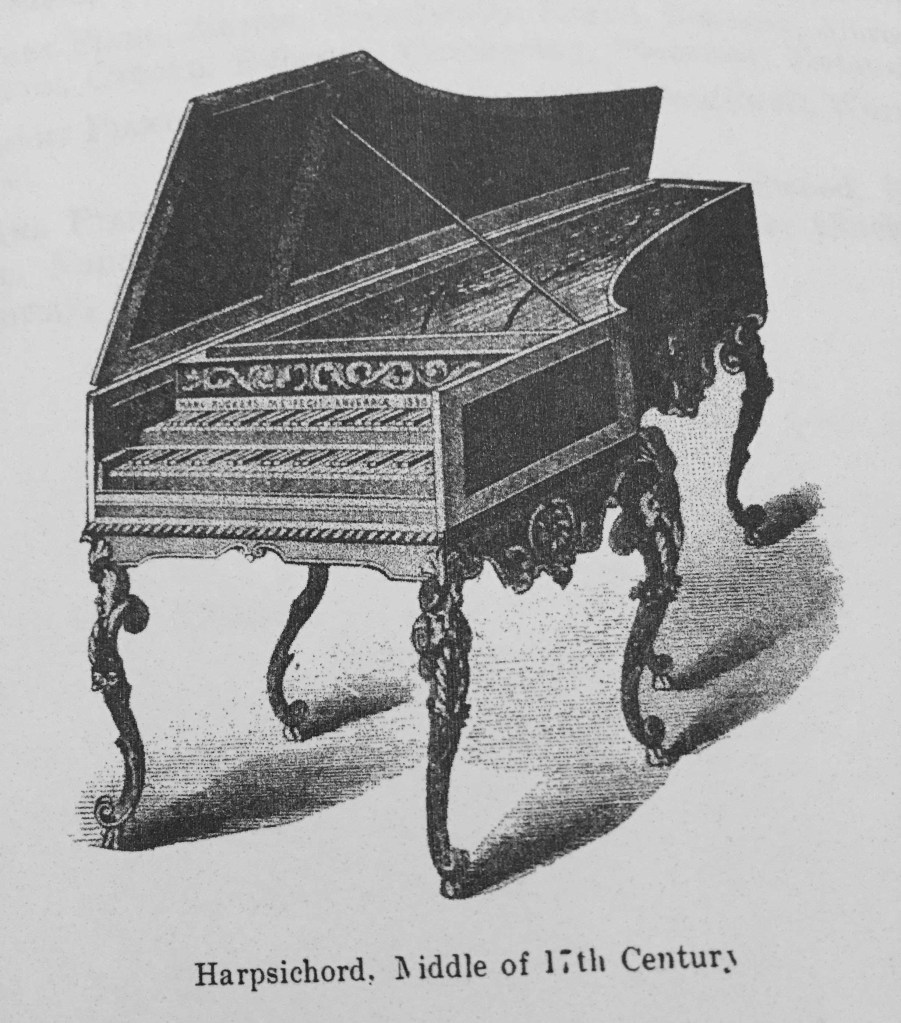
The earliest stringed instruments, predecessors of the modern piano, were plucked either directly/manually or indirectly/through a keyboard with levers.
Here is the brief history of the harpsichord, a predecessor to the modern day piano, first developed throughout Europe in the late middle ages. Plucking on the harpsichord is accomplished indirectly through a keyboard and levers. The article also provides schematic diagrams to demonstrate its function.
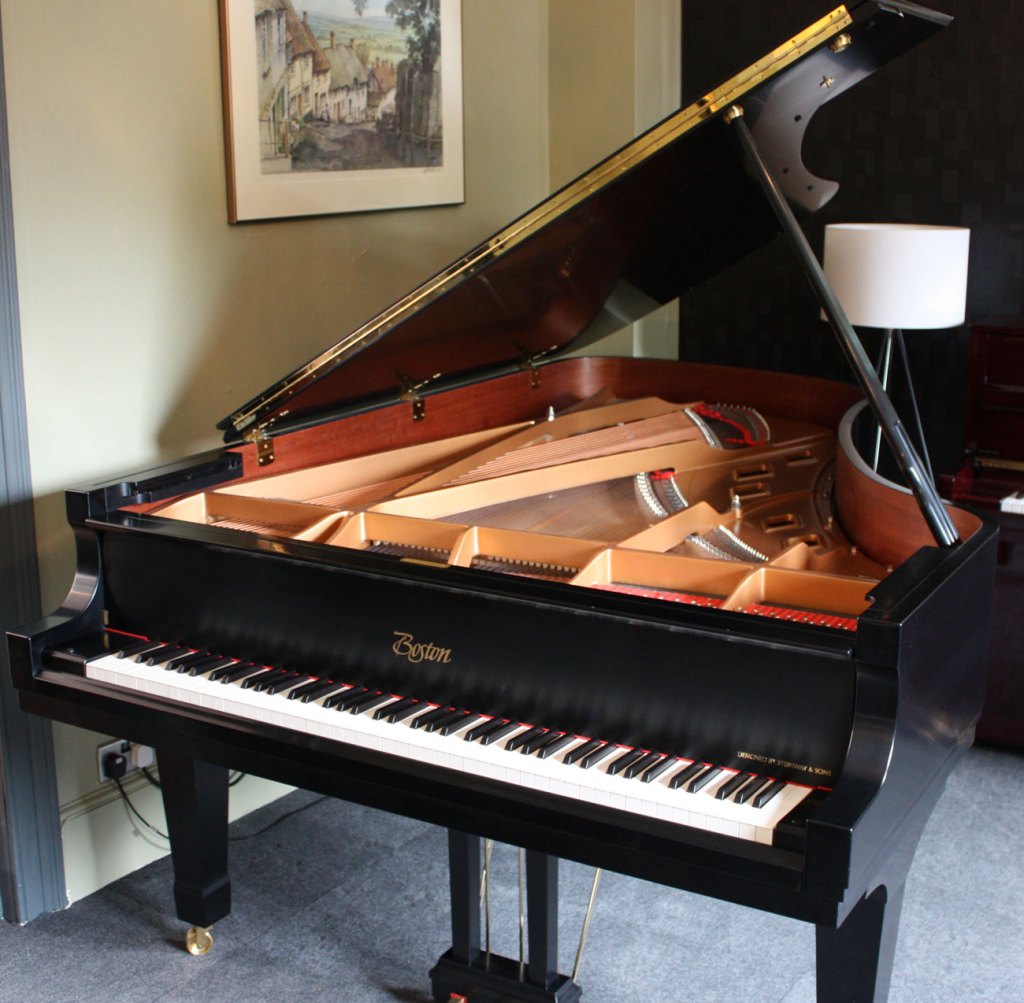
Bartolomeo Cristofori (1655-1731) is credited with designing the first modern pianoforte with a system of felted hammers using a lever mechanism that strike the strings rather than pluck. The result is a brighter sound and control over volume compared with plucking; hence the term piano-forte (soft-loud).
CLICK HERE to watch a youtube on the “Fascinating World Inside of a Piano” by Nahre Sol and Damon Groves. During the first 3 minutes, you will learn the basics of piano levers, the primary mechanism that makes the piano function. There are 3 levers – Damon Groves mentions the three levers after he runs through an exhaustive list of all the parts. (You can exit the rather lengthy youtube after the first 3 minutes.) Existing students: Tell me the names of the 3 levers at your next lesson and you will receive one free lesson!
















 donnellymusicstudio.com
You must be logged in to post a comment.