Discovering Music by Indigenous Composers

I recently attended an MTNA webinar introducing Indigenous composers, presented by Diné composer and pianist, Connor Chee. The presentation was a sampler of the many Indigenous composer works that are available for piano pedagogy and performance, as well as works for ensemble, instrumentals, carrillons, electro-acoustic, and film scores. Utilizing the information from the webinar, I have selected a few youtube performances below and also provide a link to a website that may be used for information on Indigenous composers covering many different musical genres.

The diverse sounds and stories, their meaning as indicated by Indigenous composers and performers who can relate the particular pieces to their tribal traditions, and their overall value for performance practice and development of technique will render a very positive addition to a studio recital repertoire. Enjoy your review of the selections below.

Connor Chee, Diné pianist and composer, performing “Navajo Vocable for Piano No. 9“, “Sheep“, which has a clever video, and “Female Rain.”

Beverly McKiver, originally from Ontario, Canada, is a a member of the Lac Seul First Nation in Treaty Three. She teachers, performs, and composes music that combines Indigenous and Western Classical sounds and ideas. Her “Canadian Emblem Series” is a set of pieces dedicated to the flowers that represent each of the 10 provinces and 3 territories in Canada today. In this performance we hear “Mayflower” (Nova Scotia), “Lady Slipper” (Prince Edward Island), “Trillium” (Ontario), “Blue Flag Iris” (Quebec), and “Mountain Avens” (Northwest Territories).

Other artists you may wish to explore include: Melody McKiver, Jerod Tate, Jacqueline Wilson, Renata Yazzie, Louis Ballard, Raven Chacon, Dawn Avery, and Brent Michael Davis – for starters! For more information see: http://www.renatayazzie.com/north-american-indigenous-music-resources
MasterClass for Teenage Pianists with Robert Henry “Piano Playing Tips Every Highschooler Should Know” (June 2020)

Six Part Presentation with pianist Robert Henry. I recently attended an MTNA Robert Henry MasterClass Webinar for teachers. His clarity, wealth of knowledge, enthusiasm for both performing and teaching, and the opportunity to learn are not to be missed! I found this youtube after a Google search, and it is amazing; it is for students and well-done. (Individual students in my studio will receive recommendations on parts of the youtube to review.)

  1. Posture, Movement, and Keybedding 2:06
  2. Warm ups and Scales 13:09
  3. Rhythm, Harmony, Pedaling, Phrasing, and Rubato 18:16
  4. Voicing 42:50
  5. Trills 46:46
  6. Practicing 52:59

Shared below is a list of books and a few sayings from the MTNA Robert Henry Webinar for teachers (April 2022).

  1. Effortless Mastery: Liberating the Master Musician Within by Kenny Werner
  2. With Your Own Two Hands: Self-Discovery Through Music by Seymour Bernstein
  3. Tao of Jeet Kune Do by Bruce Lee

“The outstanding characteristic of an expert athlete is his ease of movement, even during maximal effort. The novice is characterised by his tenseness, wasted motion, and extra effort.”

BRUCE LEE

“Winners don’t just learn the fundamentals, they master them.”

MICHAEL JORDAN

“Your beliefs become your thoughts,

Your thoughts become your words,

Your words become your actions,

Your actions become your habits,

Your habits become your values,

Your values become your destiny.”

MAHATMA GHANDI

Ebony Music, Inc.

Black Composers: Competition Repertoire

Classical compositions by Black Composers are widely available for students at Junior level and above to perform for recitals, competitions, festivals, and other events.. Ebony Music, Inc. provides a list of composers, compositions, and youtubes for many pieces.

Solo piano compositions in the competition repertoire from the 19th through 21st centuries include, at the junior level, Samuel Coleridge Taylor (1875-1912), “Papillon,” and Florence Price (1887-1953), “Sonata in E Minor;” at the advanced level pieces include Margaret Bonds (1913-1972) “Troubled Water,” William Grant Still (1895-1978), “Young Missy” Irene Britton Smith (1907-1999), “Passacaglia in C# minor,” and “Raging Rhythms” Number 24 from Studies in African Rhythms by Fred Onovwerosuoke (1960- ). The above is a small sample of the many pieces that are available for competition repertoire.

Ebony Music, Inc. has presented on the Black Composer competition repertoire through MTNA webinar for music teachers and at annual conferences. More information is available through their website: http://www.ebonymusic.org

Photo by Pixabay on Pexels.com

Earth Day Prezi

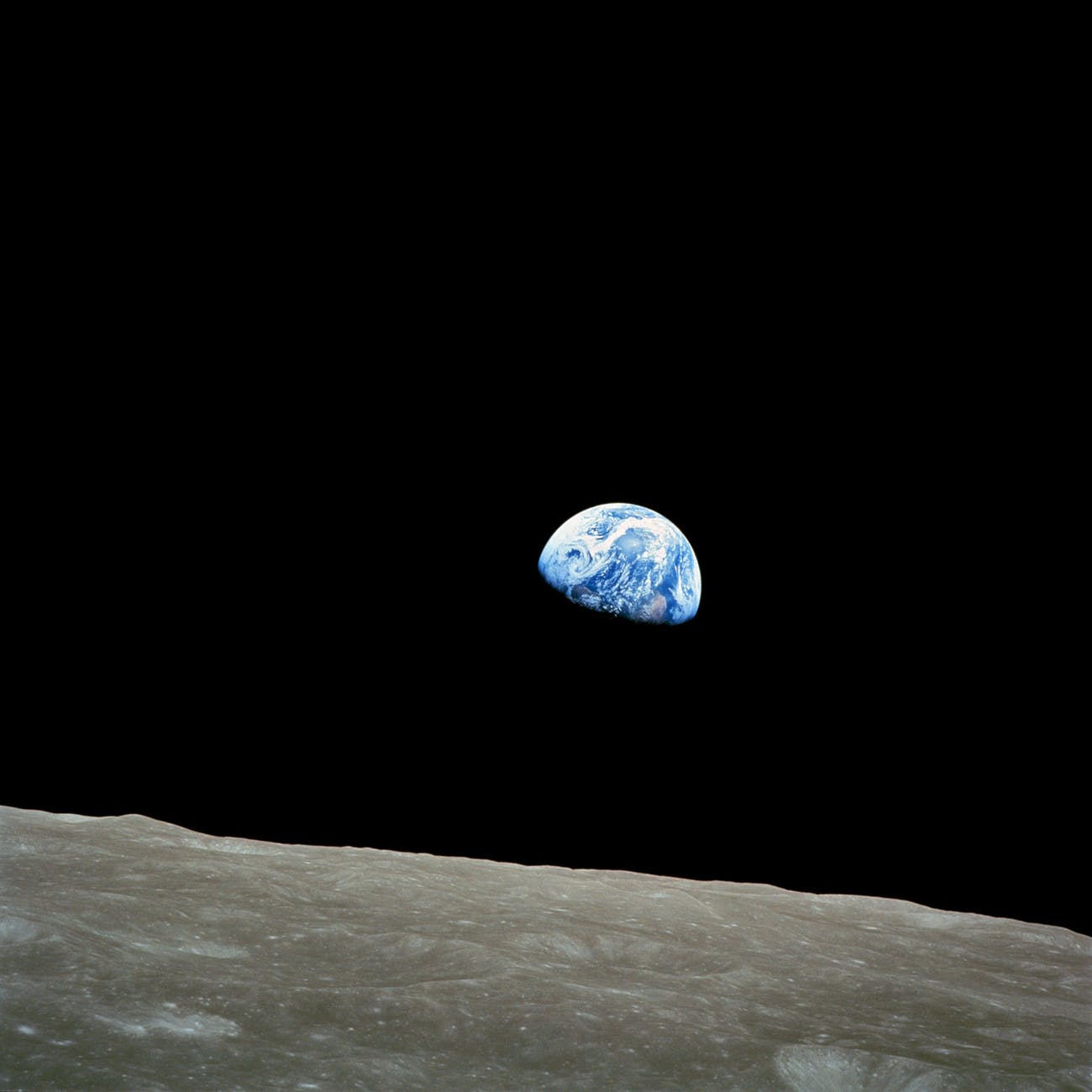
Our April 22nd, 2022 Earth Day Presentation will be posted here as a PREZI with music by students from Ms. Donnelly’s studio. The student MP3 files will be played with pictures of nature that are correlated to the themes of each piano piece.

Photo by Karen F on Pexels.com

The PREZI will also take us on a journey through the four seasons, from wintertime to the very beginning of autumn before the leaves fall from the trees. Students will perform contemporary classical, Japanese Folk, and French Folk songs to convey the different seasons and aspects of nature for a truly wonderful Earth Day celebration! We hope you will enjoy this Earth Day presentation!


While we wait for everything to be ready, here is a link to the Italian Baroque virtuoso Antonio Vivaldi and his most famous concerto, “The Four Seasons.” The webpage is a blog post presented for kids by the City of London Sinfonia. If you have a chance, read the blog post and listen to the beginning tracks for each season (Spring, Track 1; Summer, Track 4; Autumn, Track 7; and Winter, Track 11). Here is the link:

https://cityoflondonsinfonia.wordpress.com/2015/03/05/vivaldis-four-seasons-a-kids-guide/

Photo by Pixabay on Pexels.com

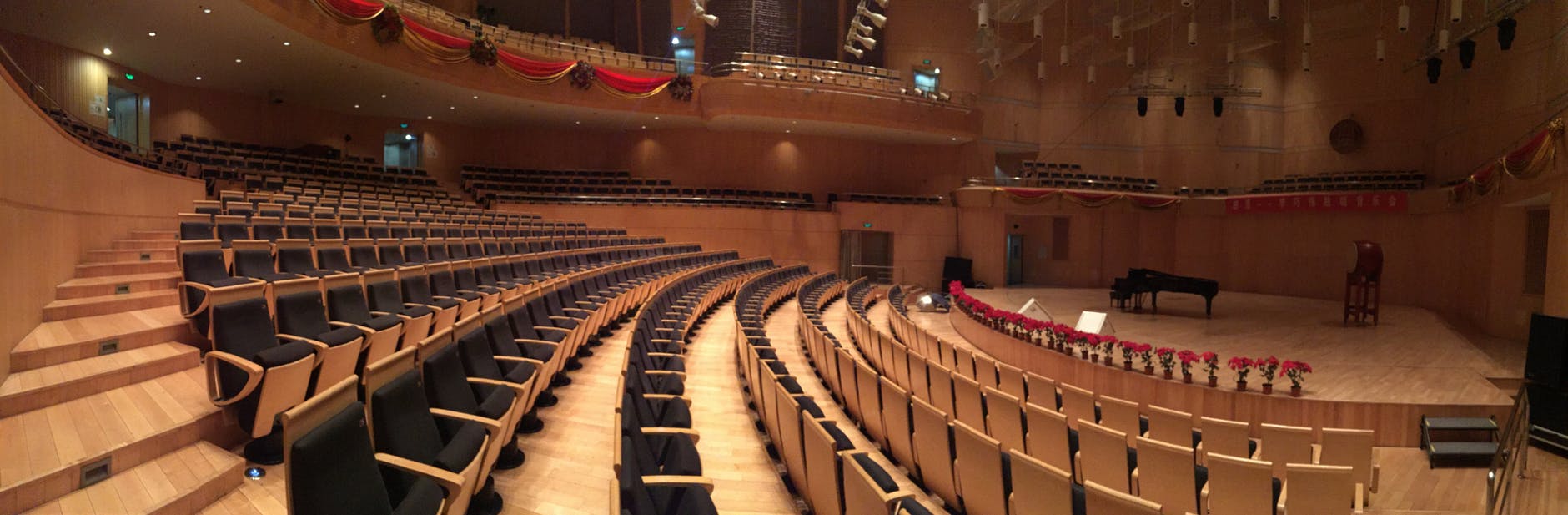
GCMTA “Music Tells the Story” Festival – January 22, 2022

Congratulations to Farrelle and Orel for their participation in the “Music Tells the Story” Festival, January 22nd, 2022. Everyone in attendance heard a wonderful performance by Orel of “Old German Dance” by Michael Praetorius, a Baroque composer, and “Arabian Dance” by Timothy Brown, a contemporary composer, and we were all treated to Farrelle’s interpretation of “Waves” by E.L. Diemer, a contemporary composer. The Festival was a tremendous success with students from many different local studios, and I thank both of my students for participating.

Photo by Allan Watson on Pexels.com

Go Ahead and SING!!

Photo by Marko Klaric on Pexels.com

Here are 4 health-boosting “holiday gifts” you can get from performing your own “Christmas Karaoke”:

According to health guru Tony Horton

Holiday Gift #2: Helps Lower Blood Pressure
It turns out, singing Christmas songs doesn’t just lower your cortisol levels… it can also help lower your blood pressure. So when you feel your “Holiday Stress Level” starting to rise, just break into song. (Your blood pressure will thank you.) 2

Holiday Gift #3: Sharpens Your Memory
Think of singing Christmas songs as a “memory workout.” Trying to remember the lyrics to “The 12 Days of Christmas” is fantastic exercise for your brain. (Seriously, how many “Lords a’leaping” and “Pipers piping” are there?) 3

Holiday Gift #4: Makes You Feel Great!
Wailing out songs like “Here Comes Santa Claus,” “Jingle Bells,” or “White Christmas” increases your body’s production of oxytocin, the “feel-good” hormone. 4

So if you find yourself getting a little stressed… just belt out a Christmas song as loud — and jolly — as you can.


1Kreutz, G., Bongard, S., Rohrmann, S., Hodapp V., Grebe, D. Effects of choir singing or listening on secretory immunoglobulin A, cortisol, and emotional state. Journal of Behavioral Medicine. 2004 Dec;27(6):623-35.
2George, R., Case Study Reports Singing Lowers Patient’s Blood Pressure Prior To Surgery. Medical News Today. March 31, 2011.
3Health Benefits of Singing in the Shower. Steth News. May 8, 2015.
4Kreutz, G., Bongard, S., Rohrmann, S., Hodapp V., Grebe, D. Effects of choir singing or listening on secretory immunoglobulin A, cortisol, and emotional state. Journal of Behavioral Medicine. 2004 Dec;27(6):623-35.