RCM Music Theory Exam: Key to Success for Students

Good luck to all of my exceptional students. This spring, each student will undertake the RCM Music Theory exam, a significant milestone. Several of you are on track to earn points that will lead to a prestigious trophy. These exams represent serious opportunities to master the material—the key to your success—and to earn the recognition you deserve for your achievements.

Students interested in history might also be interested in preparing for a Music History exam through RCM next year.

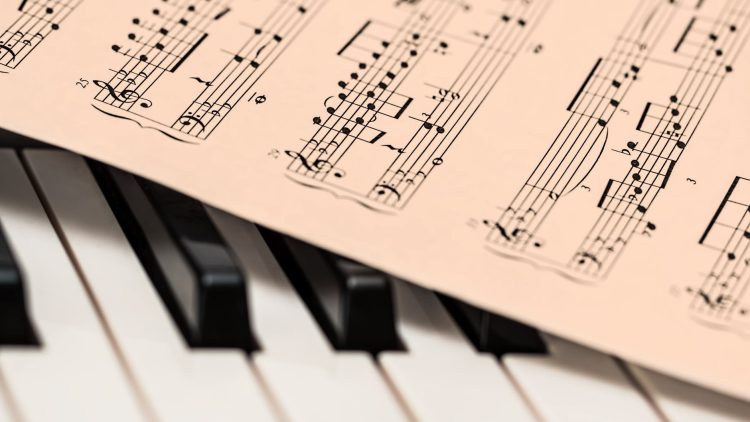
Photo by Pixabay on Pexels.com

Reading Music and Learning Math

Yes, reading music can be considered good preparation for learning math because it involves understanding patterns, fractions, ratios, and time sequences, which are fundamental mathematical concepts that are also present in musical notation; essentially, music can be seen as a practical application of math principles, making it a helpful tool for developing mathematical thinking skills. [1, 2, 3, 4, 5]

Key points about how reading music can help with math: [3, 5]

  • Fractions and rhythms: Music notation uses fractions to represent note durations, which helps students grasp the concept of fractions in a tangible way. [3, 5]
  • Patterns recognition: Identifying patterns in musical melodies and rhythms is similar to recognizing patterns in mathematical sequences. [1, 3, 4]
  • Time signatures: Understanding time signatures in music requires interpreting how many beats are in a measure, which is a foundational math concept. [3, 5]
  • Critical thinking: Deciphering complex musical notation and translating it into performance requires critical thinking skills, which are also crucial for solving math problems. [2, 4, 5]

[1] https://www.naeyc.org/our-work/families/support-math-readiness-through-music

[2] https://mussila.com/can-music-help-improve-learning-mathematics/

[3] https://www.ossia.edu.sg/blog/music-and-maths-the-surprising-connection-between-learning-an-instrument-and-academic-success

[4] https://www.brainbalancecenters.com/blog/correlation-between-math-and-music-ability

[5] https://timesofindia.indiatimes.com/readersblog/experience-based-learnings/the-harmonious-connection-how-math-and-music-intersect-49411/

AI Generative Images and Text

Reading Music and Reading Traditional Text

Yes, learning to read music can be a good preparation for learning to read traditional text, as both involve decoding symbols to understand meaning, and research suggests that musical training can significantly improve auditory processing skills, which are crucial for reading comprehension; essentially, the brain processes music and language in similar ways, making music a potential training ground for reading abilities. [1234]

Key points about how reading music can help with reading skills: [134]

  • Auditory processing: Music training enhances the ability to distinguish sounds and patterns, which is vital for decoding words in text. [134]
  • Symbol recognition: Learning to interpret musical notation develops the skill of recognizing symbols and associating them with meaning, a core component of reading. [124]
  • Sequencing: Music involves understanding rhythmic patterns and sequences, which can transfer to reading fluency and comprehension. [134]
  • Brain activation: Studies have shown that the areas of the brain used for processing music overlap with those used for language processing, suggesting a potential cognitive benefit. [124]

[1] https://www.weforum.org/stories/2018/11/learning-music-early-can-make-your-child-a-better-reader/

[2] https://www.nfhs.org/articles/how-music-primes-the-brain-for-learning/

[3] https://theconversation.com/learning-music-early-can-make-your-child-a-better-reader-106066

[4] https://www.edutopia.org/article/music-training-can-be-literacy-superpower/

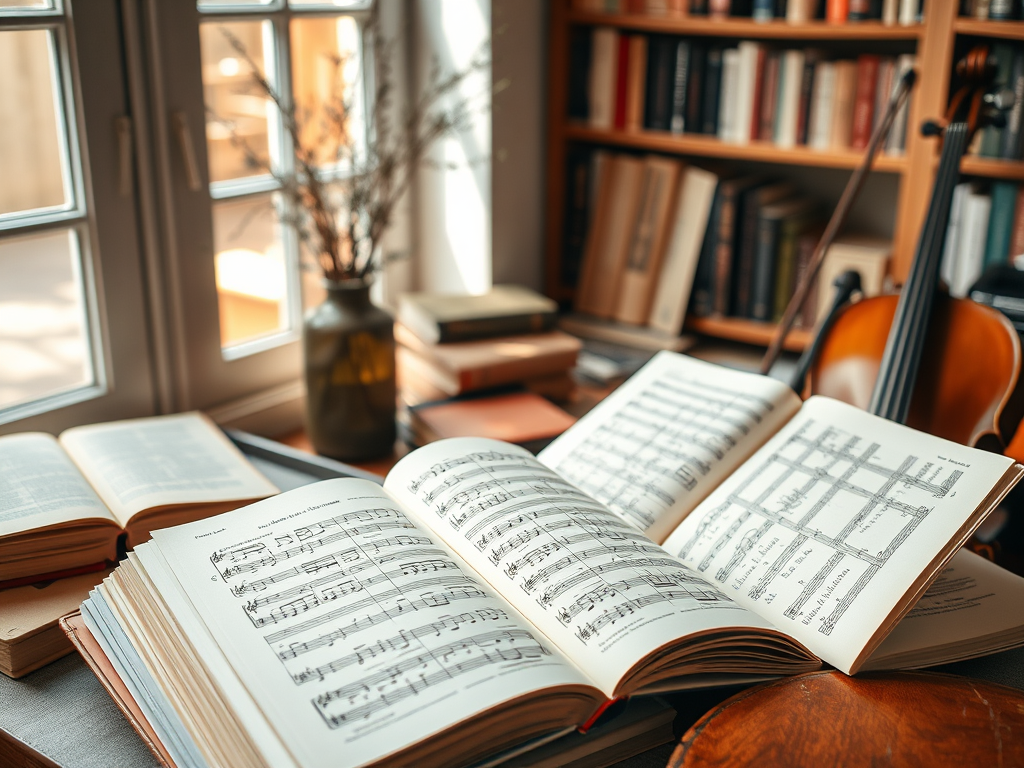
AI Generative Images and Text

Photo by Pixabay on Pexels.com

Piano Ensemble 2024

Congratulations to my student, Pro, for successfully playing Secondo of the “Diamond Sonatina” by Robert Vandall. The Greater Indianapolis Music Teachers Association hosted the Piano Ensemble, with conductor Zak Tschiniak.

All three movements were played beautifully! Below is a video of movement I.

The sheet music can be obtained here: https://www.alfred.com/diamond-sonatina/p/00-88525/

Materials for Your Practice Space and Individual Lesson Time

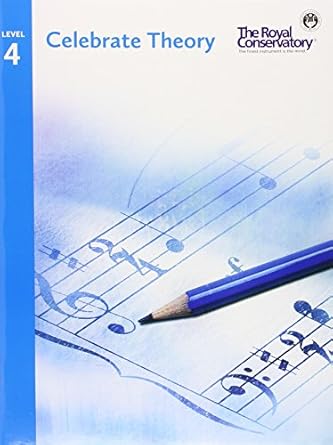
Required: (1) Faber Adventures in Piano Lesson Book, (2) RCM Celebrate Theory, (3) Hanon The Virtuoso Pianist in Sixty Exercises or Jr. Hanon Exercises for the Piano, and (4) a dedicated Practice Time and Assignment Book.

The exact level of Method, Theory, and Technique materials will be determined at the first lesson. I also have examples of Practice and Assignment books that you can view before purchasing.

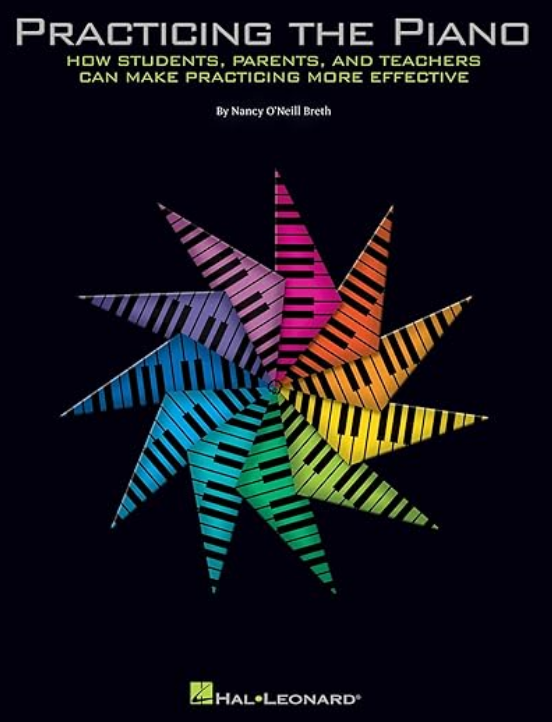
Recommended for middle and high school students: Breth, Practicing the Piano.

You may use the icon links above to view pricing and ordering information.

Below is a list of items (no links) that you may wish to consider for a productive and creative practice space at your home!

Practice Record and Assignment Book

Calendar

Pencils

Device for ZOOM

Metronome or App

Wall Clock or timer

A bag to bring your books to lessons

A quiet, well-lit, place to practice uninterrupted, record, and perform for friends and family

Optional mirror to check posture while practicing

Summer Schedule

This summer, we are excited to offer both in-person and ZOOM classes in July, extending a warm welcome to both returning and new students. Our class hours are limited, running from 11 am to 8 pm on Tuesdays, Wednesdays, and Thursdays, EST. Additional hours are available to accommodate other time zones. Our focus is personalized to each student, with many participants revisiting their Faber Lesson books and RCM Theory. Some will also take on a diverse range of performance pieces, and all students will have the chance to record for UnMute. We can’t wait to embark on this musical journey with you!