Studio Workshop: Discerning Purpose for the Greater Good and Inner-Discipline in Music
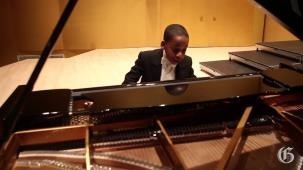
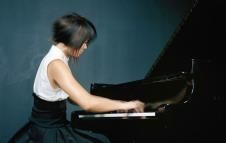

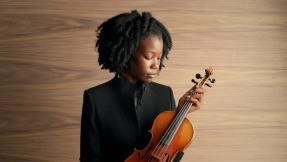
One-Hour Discernment Workshop
- For students ages 10+
- March 26, 2012, Friday at 7:30 pm EST/4:30 pm PST
- Please bring markers, pencils, pens, and a personal journal or loose leaf paper.
Program
- PowerPoint by Patrice Donnelly on the many different ways in which a student can find purpose in music across multiple genres, and learn about the type of discipline that is required for goals that match your purpose.
- Purpose and discipline in classical Indian music by Leslie Schneider, Hindustani classical Indian vocalist and tanpura player.
- Guided journaling in your personal journal.

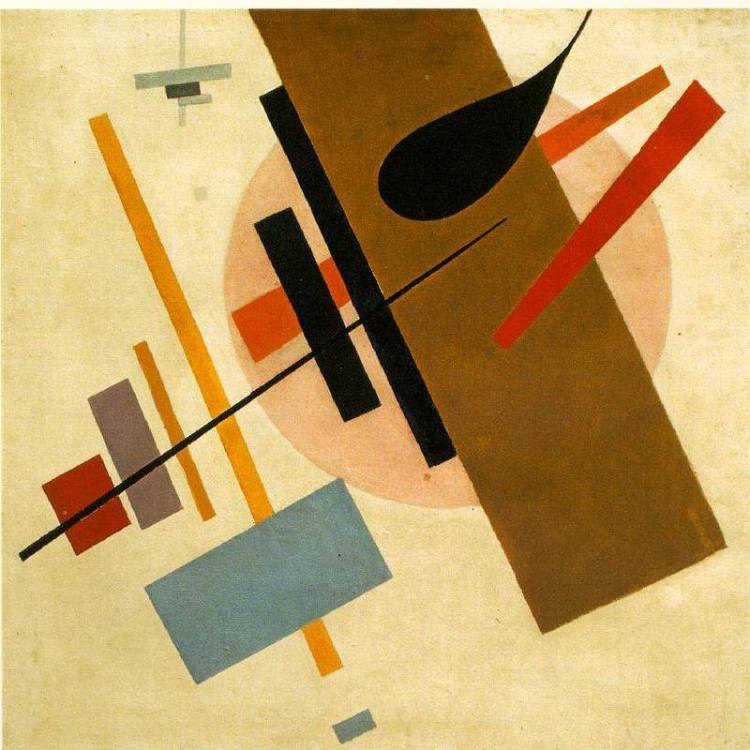
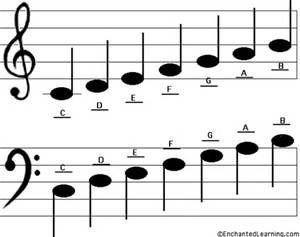
Wassily Kandinsky 
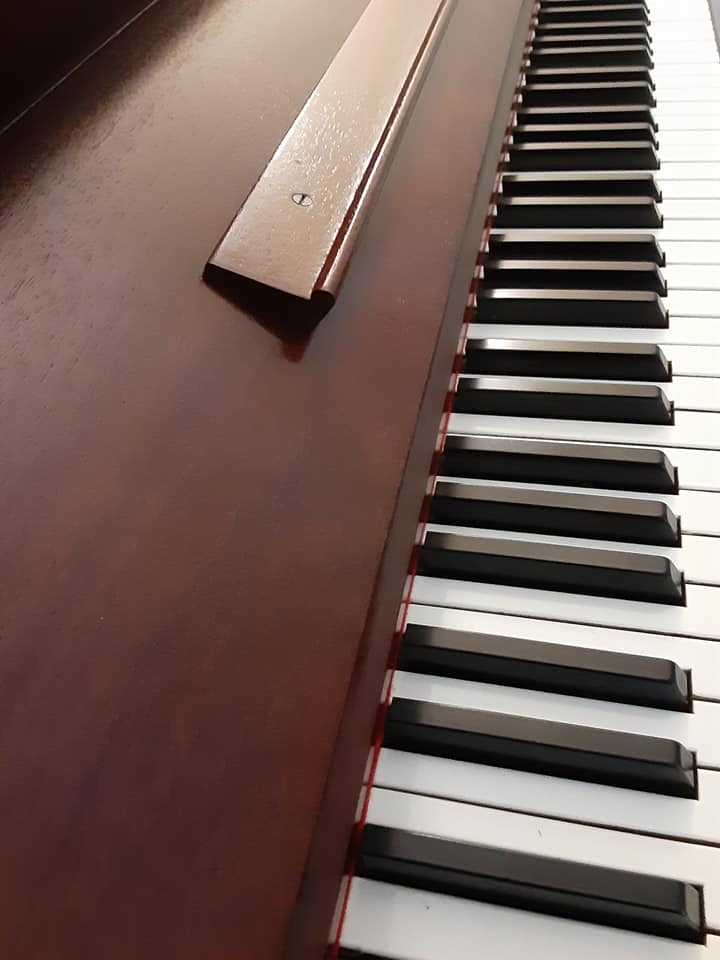
Studio keyboard
Images by pexels.com unless otherwise credited.
Irish Folk Music and the Leprechaun

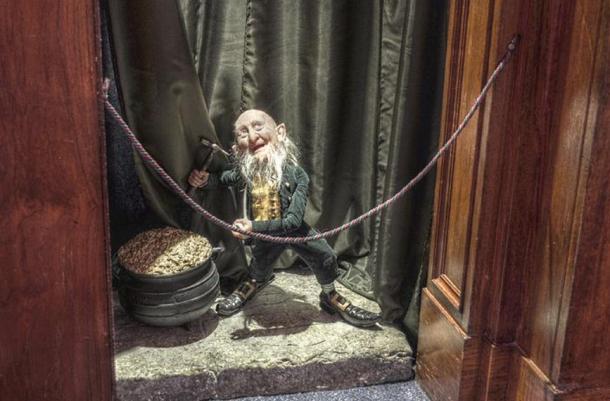
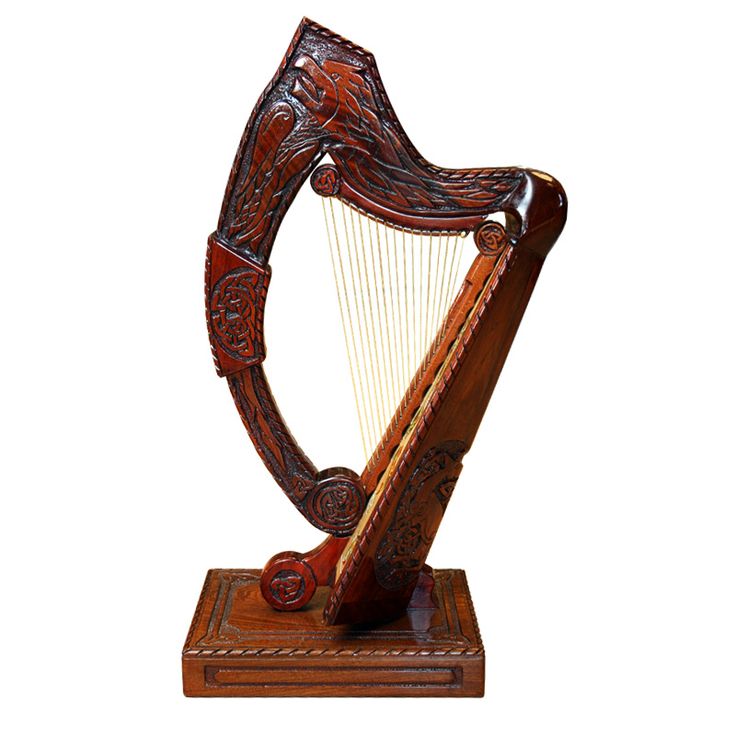
Irish Music and Myth
Text adapted from YourIrish.com, Ancient-Origens.net, and LiveScience.com. Embedded links.
- Students often enjoy learning about the Irish mythology behind the leprechaun, a shoemaker who lives in the deep of the forest and since he is very small and very intelligent, he seeks to avoid being caught by others, preferring to live peacefully, dancing and playing Irish music, and counting his gold. However, if you catch a leprechaun, he can grant you three wishes in order to be released. Be careful what you wish for as a wrong wish can lead to a life of misery.
- Leprechauns offer a morality tale figure whose fables warn against the folly of trying to get rich quick, take what’s not rightfully yours or interfere with “The Good Folk” and other magical creatures. Belief in leprechauns and other fairies was once widespread on the Emerald Isle, and real or not they will continue to amuse and delight us for centuries more.
- If you’re not ready to give up on the leprechaun, note that one third of the Irish people do believe in the leprechaun.
Traditional Irish Musical Instruments
- With traditional instruments such as the Harp or the bodhrán being played the unique music is created. Traditional Irish music is played by a variety of instruments such as the Bodhran (Irish drum), the Fiddle, the Flute, the Tin Whistle, Uilleann Pipes, and the Irish Harp.
- Here is an animated youtube of An Gréasaí Bróg, a lovely children’s song, popular in traditional Irish music.
- Here is a youtube of a musician playing a traditional Celtic harp. The piece is a modern composition called “A Trip to the Islands” written for Celtic harp and played by the composer Nadia Birkenstock.
The Origin of the Modern Day Piano

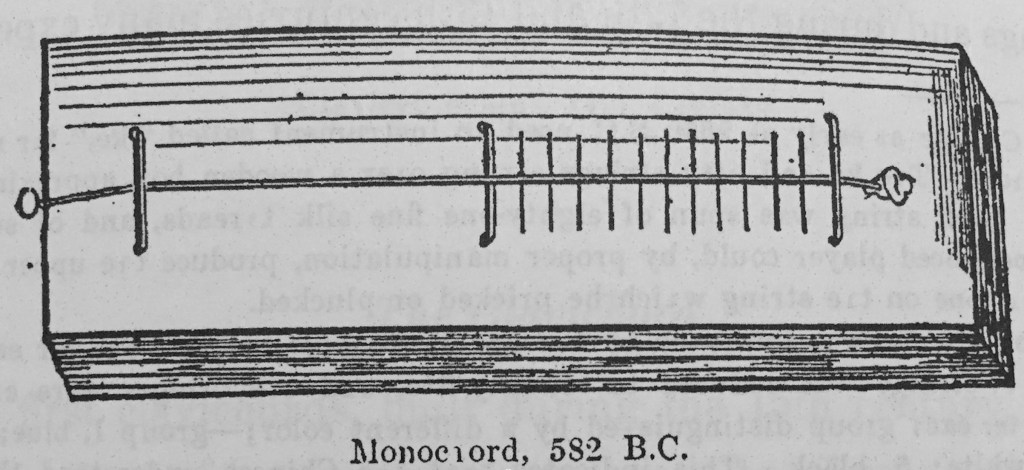
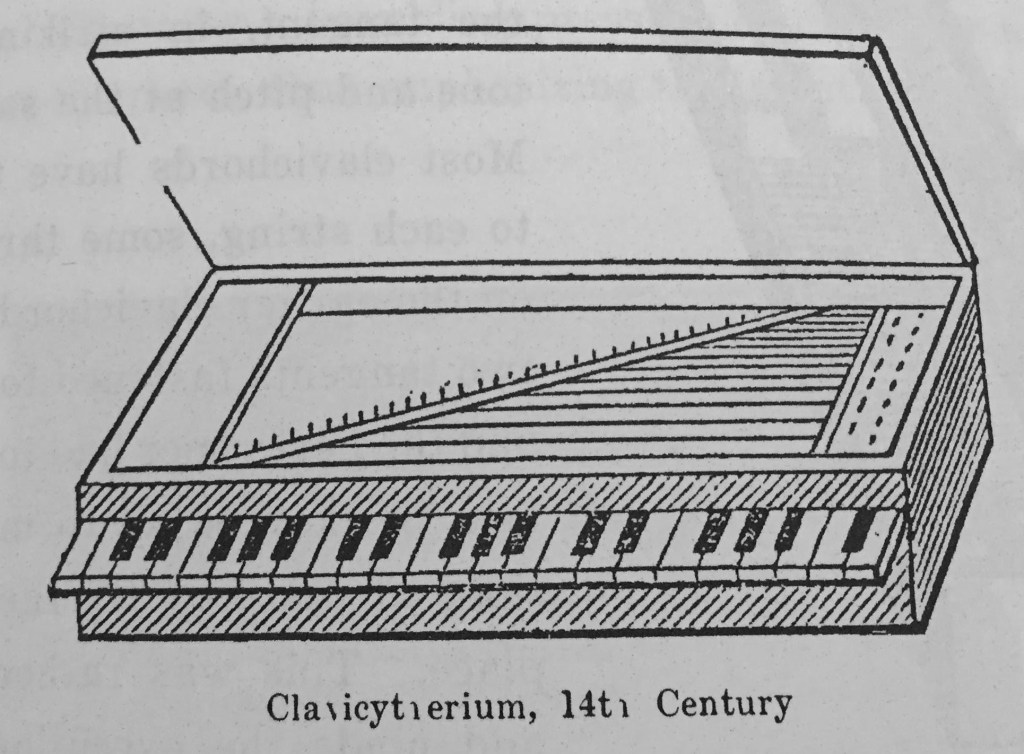
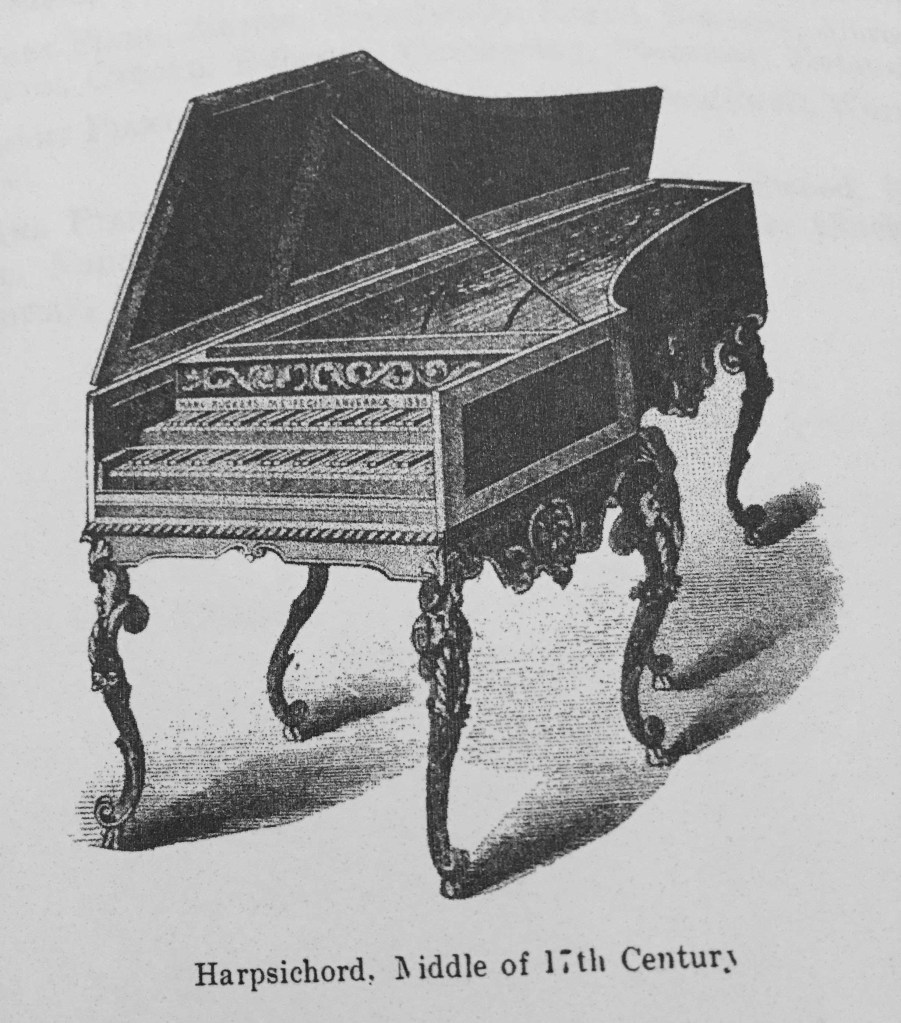
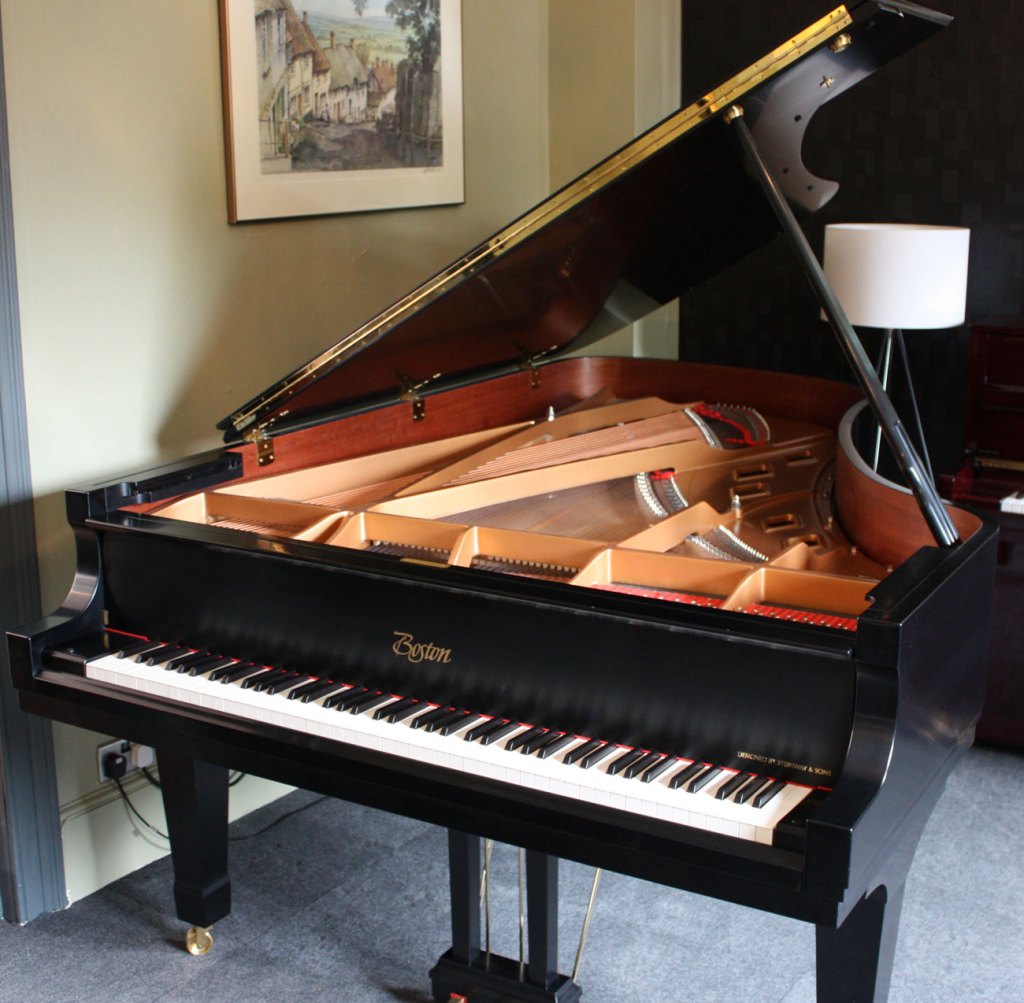
The acoustic piano is a stringed instrument
Text excerpts and images from Lindeblad Piano Restoration, Blog.
- The piano as we know it today began in China in 2650 BC with the stringed instrument called the “Ke.”
- The introduction of a keyboard to pluck the strings also regulated the pitch.
- Replacing the levers used to pluck the strings with felt hammers, also activated by a keyboard, resulted in the modern day pianoforte.
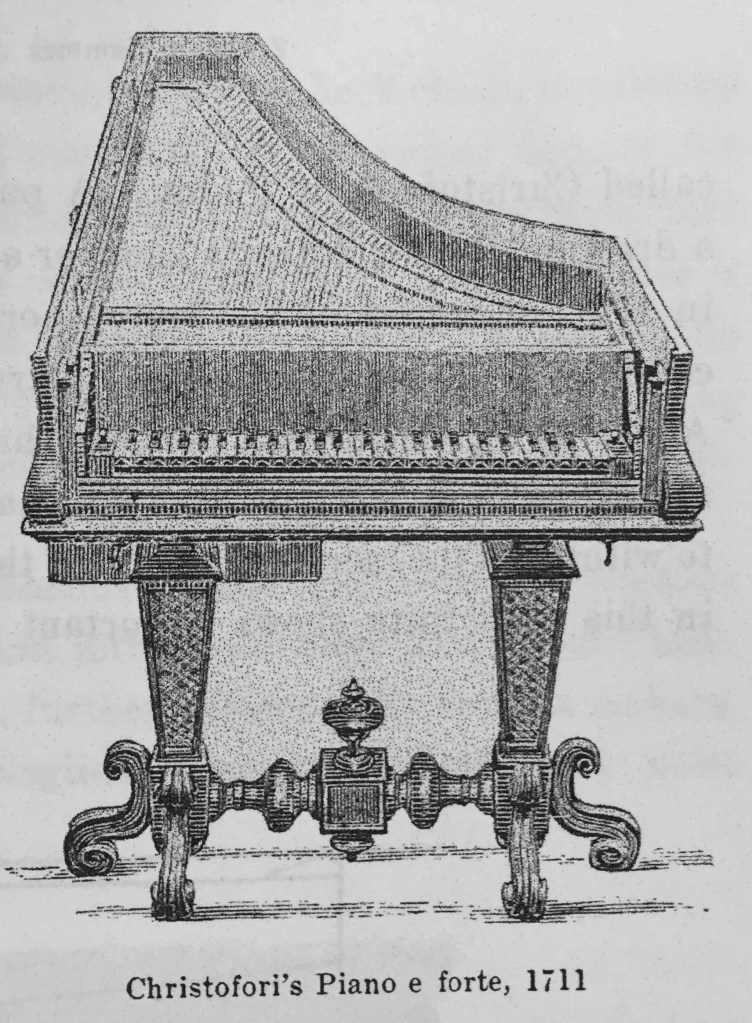
Plucking v. Hammering
- The earliest stringed instruments, predecessors of the modern piano, were plucked either directly/manually or indirectly/through a keyboard with levers.
- Here is the brief history of the harpsichord, a predecessor to the modern day piano, first developed throughout Europe in the late middle ages. Plucking on the harpsichord is accomplished indirectly through a keyboard and levers. The article also provides schematic diagrams to demonstrate its function.
- Bartolomeo Cristofori (1655-1731) is credited with designing the first modern pianoforte with a system of felted hammers using a lever mechanism that strike the strings rather than pluck. The result is a brighter sound and control over volume compared with plucking; hence the term piano-forte (soft-loud).
- CLICK HERE to watch a youtube on the “Fascinating World Inside of a Piano” by Nahre Sol and Damon Groves. During the first 3 minutes, you will learn the basics of piano levers, the primary mechanism that makes the piano function. There are 3 levers – Damon Groves mentions the three levers after he runs through an exhaustive list of all the parts. (You can exit the rather lengthy youtube after the first 3 minutes.) Existing students: Tell me the names of the 3 levers at your next lesson and you will receive one free lesson!


You must be logged in to post a comment.